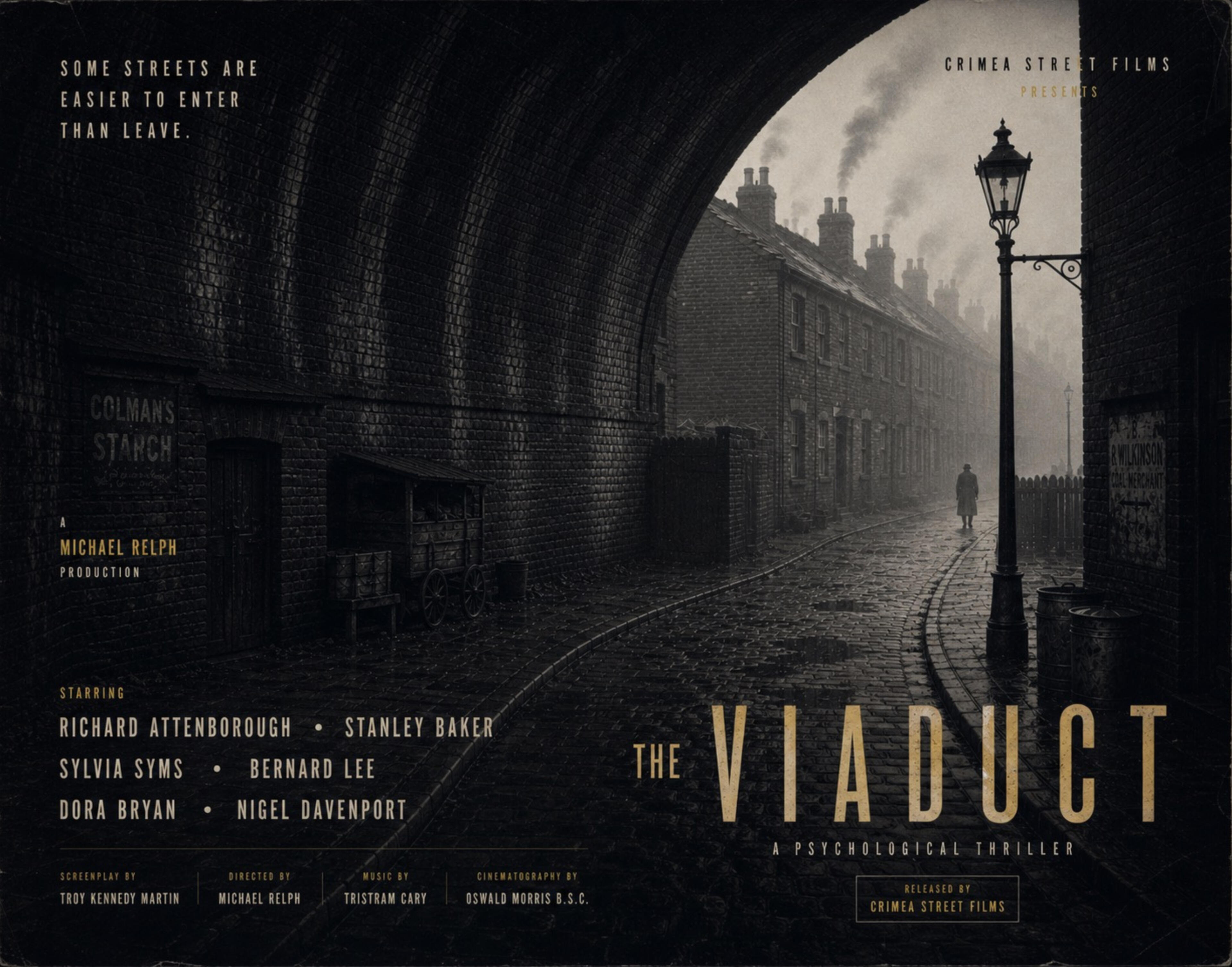
The Viaduct (1964)
some streets are easier to enter than leave
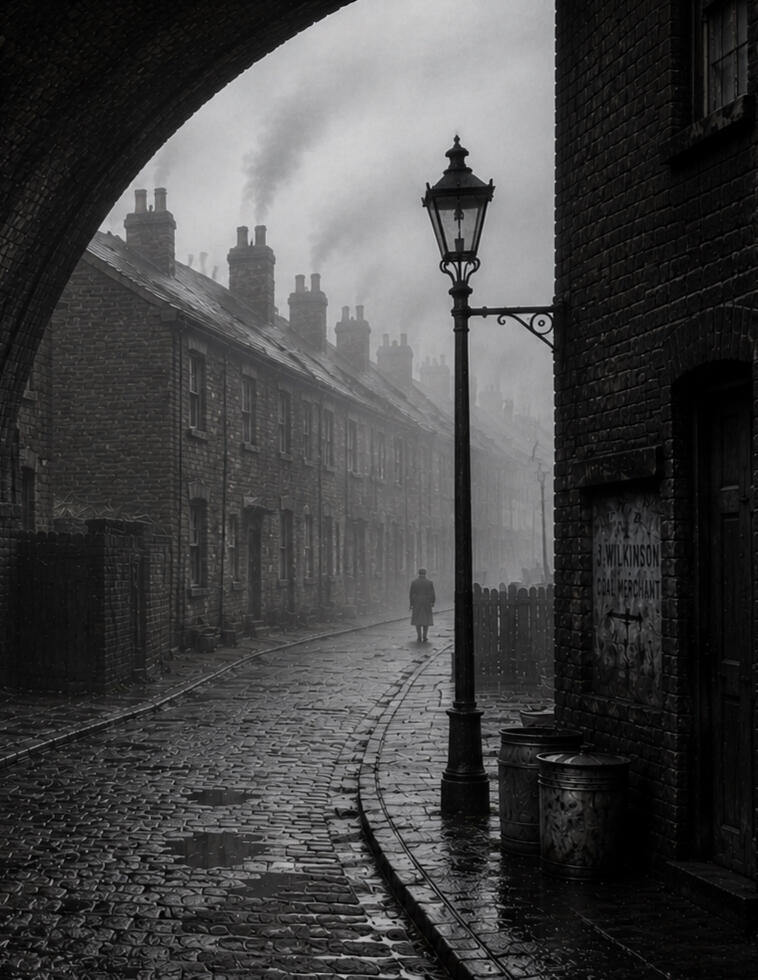
Released in late 1964, The Viaduct marked Crimea Street Films’ only full venture into psychological thriller territory and remains one of the studio’s most visually ambitious productions.Directed by Michael Relph, the film followed a former railway clerk who becomes increasingly convinced he is being watched while walking home each evening beneath a sprawling industrial viaduct on the edge of an unnamed northern town. As the story progressed, the distinction between genuine threat and private paranoia became deliberately unclear, a decision that divided critics sharply upon release.Though marketed as a thriller, audiences expecting suspense in the conventional sense reportedly left somewhat perplexed. Long stretches of the film consisted of solitary walking, distant footsteps, echoing railway arches and prolonged scenes of Richard Attenborough staring anxiously into rain-darkened streets while very little outwardly occurred.Production notes from the period suggest the studio saw The Viaduct as an attempt to reach wider audiences without abandoning its characteristic atmosphere and visual restraint. Cinematographer Oswald Morris was widely praised for his use of shadow, wet cobbles and industrial brickwork, with several reviewers commenting that the viaduct itself appeared more psychologically expressive than most of the cast.
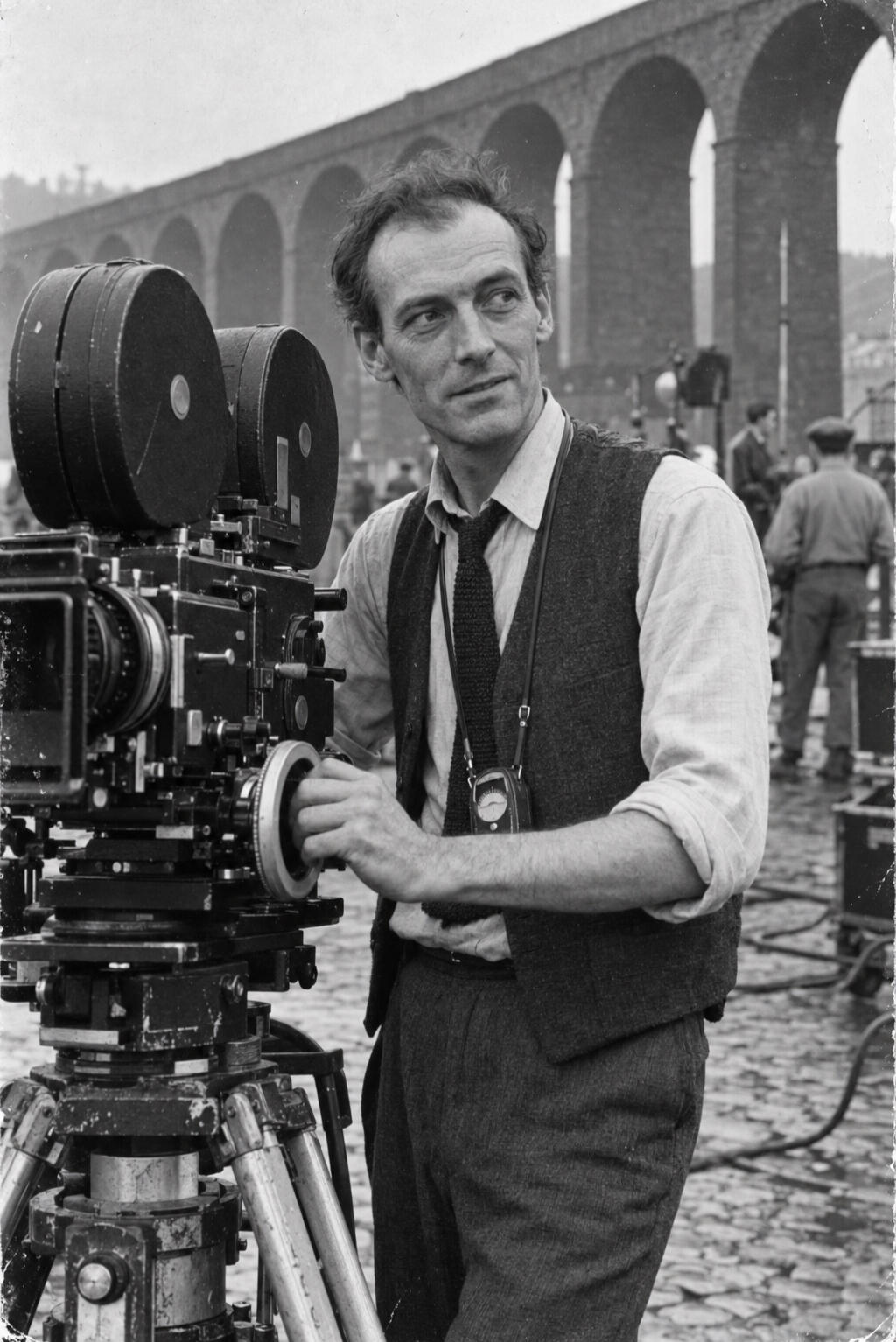
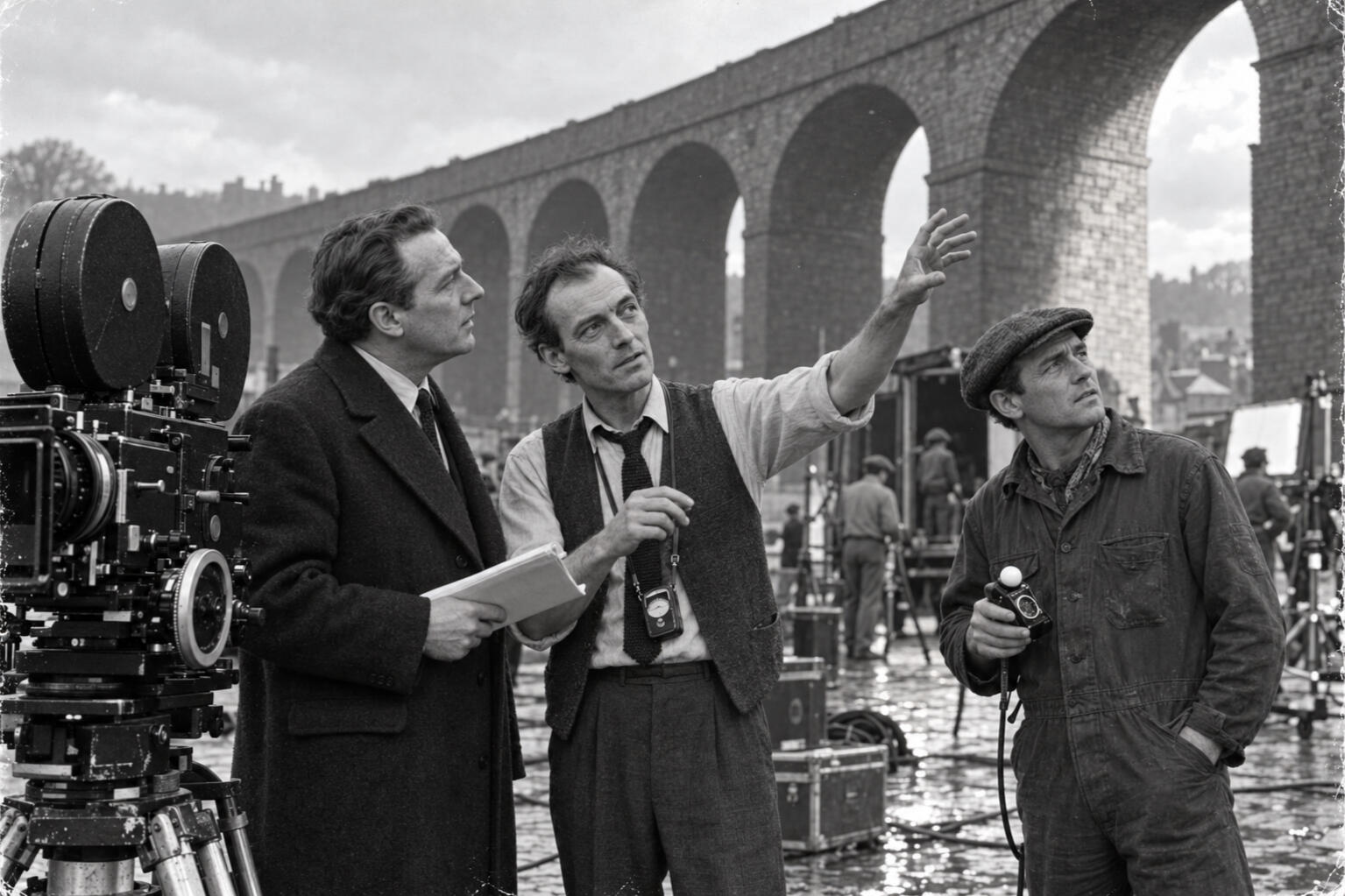
Rex Handsford (1919–1991)Born in Westhoughton, Rex began work as an assistant in a photographic studio before joining the Army Film and Photographic Unit during the war. After returning to civilian life, he worked on newsreels, industrial films and regional television before becoming one of Crimea Street Films’ most trusted cameramen.Handsford was 45 when he photographed The Viaduct. Director Peter Hall wanted the structure to feel less like a backdrop than something permanently looming over the characters, and Handsford achieved this through low viewpoints, long lenses and repeated shots framed beneath its arches. Much of the film was made in poor weather, which he regarded as an advantage rather than an inconvenience.He was known for working quickly, using remarkably little artificial light and becoming irritated whenever an actor asked which side of their face he preferred. His usual reply was, “Whichever side can remember the lines.”Handsford worked on several later Crimea Street productions and was particularly valued for his ability to find visual interest in locations other cinematographers considered hopeless. Colleagues recalled that he rarely discussed composition, preferring to move the camera several feet and announce that the problem had been solved.Away from filming, Handsford was an enthusiastic breeder of unusually aggressive budgerigars. He insisted they were merely high-spirited, despite one of them biting a visiting producer badly enough to halt a meeting.He retired in 1983 and moved to the United States, where he became an alcoholic. He died in 1991, aged 72.
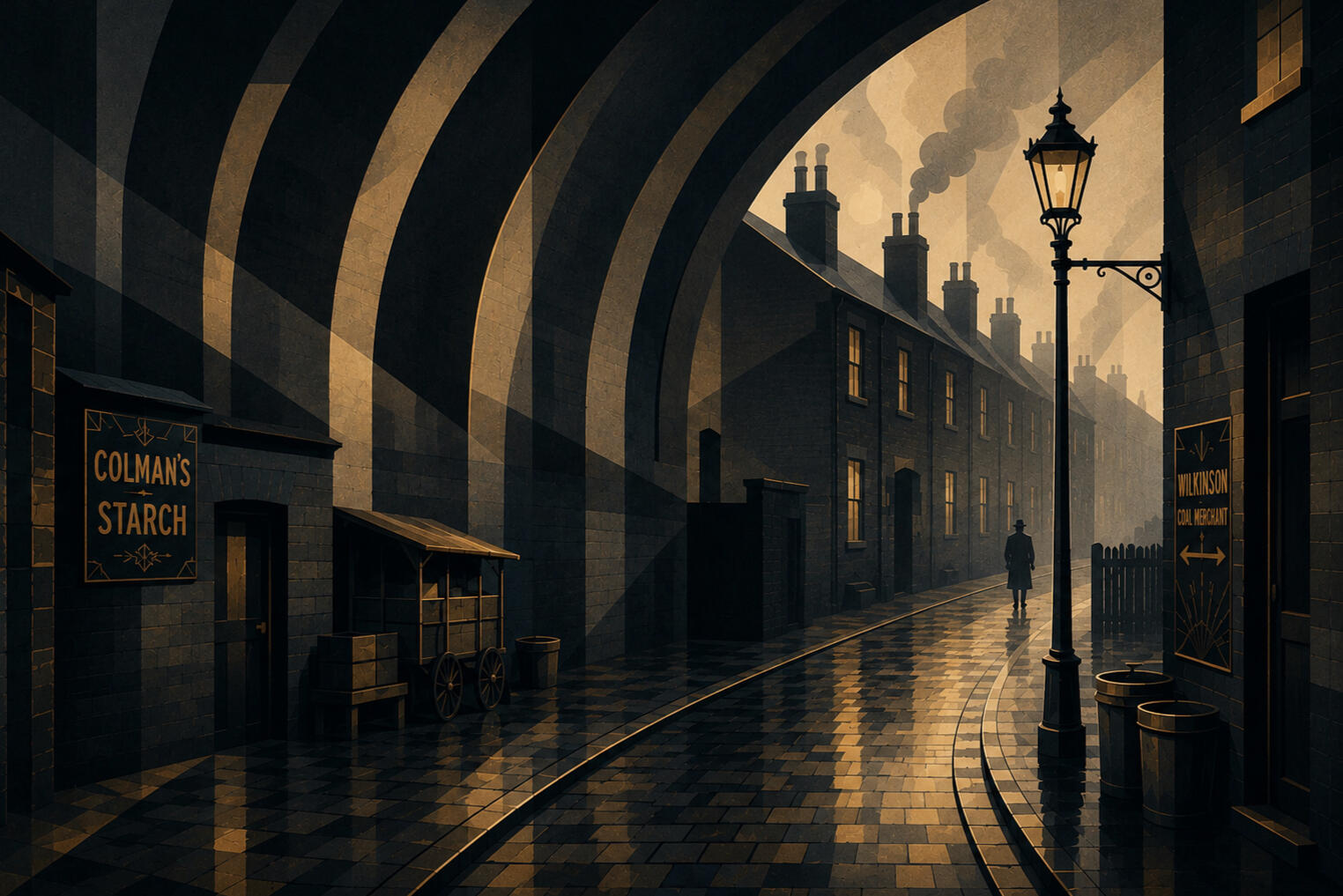
The Viaduct transforms a northern industrial street into a study of scale, shadow and repetition. The enormous arches dominate the composition, their sweeping curves cutting across the rigid geometry of terraces, cobbles and chimney stacks. A solitary figure moves through the scene, dwarfed by the architecture above him.Rendered in deep charcoal, muted stone and warm amber, the print uses the visual language of Art Deco to impose order on an otherwise worn and rain-darkened landscape. Reflected light draws the eye along the curved tracks while the repeating arches create a powerful sense of movement and enclosure.Part of the Northern Deco collection, The Viaduct finds monumentality in the structures that shaped everyday northern life.Available exclusively through FCSF, this artistic interpretation is available unframed on 240 gsm art paper and measures 20 x 16 inches.
What did the critics think?
Critical reaction proved unusually mixed even by Crimea Street standards.The Daily Telegraph described the production as:“A curious and unexpectedly elegant northern noir.”While the Sunday Express was notably harsher:“An immensely well-photographed study of a man becoming steadily less cheerful beneath municipal infrastructure.”Several critics nevertheless praised the film’s oppressive atmosphere and sparse dialogue. One review observed:“Crimea Street Films continues its remarkable ability to make industrial Britain appear emotionally unavoidable.”Commercially, The Viaduct performed poorly outside northern England despite modest curiosity.
However, retrospective criticism has often identified the film as one of the studio’s more formally accomplished productions, particularly for its architectural compositions and unsettling use of urban space.
From the archive
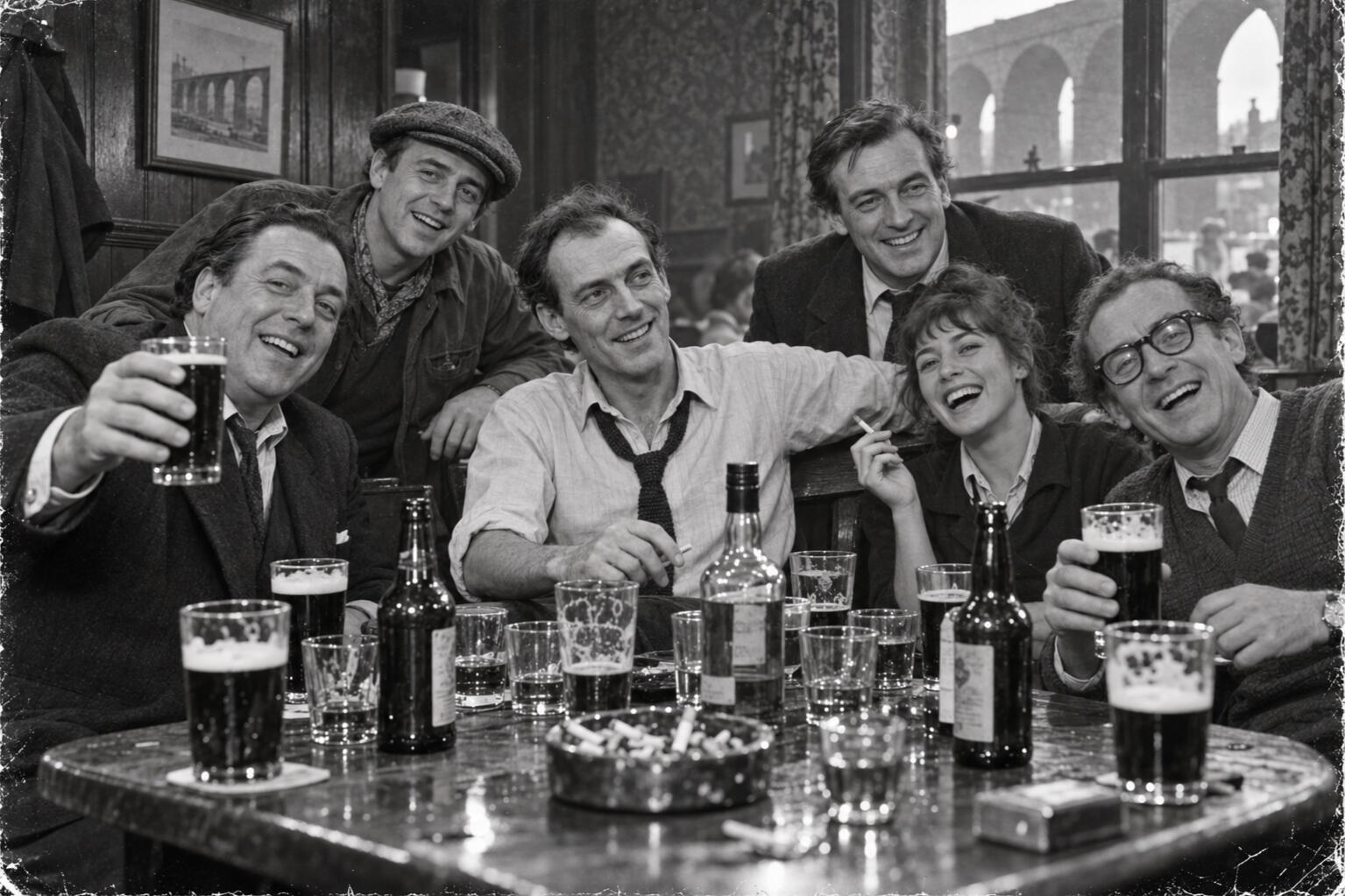
Allegedly, Alistair Dunmore was furious when some of the draft posters were discovered in the public domain.Fortunately, Dickie and Stan found it all very amusing.
Publicity shot from the archive
The artwork of Reg Baines
The original posters created by Reg Baines are synonymous with the studio and are very much part of its history.They would have been seen throughout the North of England outside cinemas, on hoardings and in places such as train stations. However, this is one of very few where we do not have the final draft and this shows us Reg's habit of using famous people as placeholders until actors were confirmed.Most of them were damaged in a fire at the studio in late 1966, but we are delighted to now work with Parbold-based artist, Brian Astley.He has faithfully reproduced each poster to a standard that our Reg would have been proud of and each one is available unframed on 240 gsm art paper as a 20 x 16 inch homage to the films we celebrate.